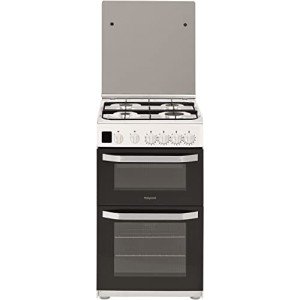
The Domestic Gas Cooker: A Practical Guide
The domestic gas cooker, typically referred to simply as a gas hob or stove, remains a foundation of home cooking in many homes worldwide. While electrical cookers have actually gotten popularity, gas cookers are preferred for their precise temperature control, quick heating, and cost-effectiveness. This post explores the features, advantages, setup, upkeep, and safety standards of domestic gas cookers, providing a helpful guide for prospective buyers and current users alike.
Understanding the Domestic Gas Cooker
A domestic gas cooker typically includes a cooktop (or hob) equipped with burners powered by gas or liquefied petroleum gas (LPG). These cookers may be freestanding units, which include an oven, or built-in models that match modern kitchen styles.
Key Features of Gas Cookers
Gas cookers provide several prominent features, making them a favored option for numerous culinary enthusiasts:
- Instant Heat: Unlike electrical cookers, gas hobs warm up immediately. This allows users to begin cooking instantly without awaiting the stove to reach the desired temperature.
- Temperature Control: Gas cookers supply a visual flame that makes it easy to adjust the heat. This accurate temperature control is vital for particular cooking strategies, such as sautéing, simmering, and frying.
- Cost-Effectiveness: Generally, gas is frequently less costly than electricity, making gas cookers a cost-efficient choice for long-lasting use.
- Varied Cooking Options: Many gas cookers include various burner sizes and types, accommodating different pots and pans, from little saucepans to big stockpots.
Advantages of Using a Gas Cooker
The advantages of using a domestic gas cooker extend beyond simple convenience. Below are some of the reasons that individuals and households typically choose gas cookers:
- Efficiency: Gas cookers are generally more energy-efficient than electrical alternatives, as they move heat straight to the pots and pans instead of warming the surrounding air.
- Adaptability: They are equipped for heightened cooking strategies, such as charring and flambéing, that may require open flames.
- Winter Performance: Gas cookers work efficiently in cold temperatures. image source are not impacted by power interruptions, making sure that your cooking continues continuous.
- Classic Appeal: For numerous, cooking over an open flame holds sentimental value, conjuring memories from family customs and cultural practices.
Drawbacks of Gas Cookers
While gas cookers have numerous advantages, there are some downsides to be familiar with:
- Installation Costs: Initial setup may be more costly if gas lines are not currently present in the home.
- Safety Hazards: Gas leakages can posture serious risks. Therefore, precaution must be appreciated and kept.
- Cleaning Challenges: While lots of gas cooktops include detachable grates for easy cleansing, the burners can be tough to clean if spillage takes place.
Installation of Domestic Gas Cookers
Actions for Installation
- Choose a Proper Location: Select a dry, well-ventilated space away from flammable products.
- Check Gas Supply: Ensure that your home has a proper gas line and proper pressure for the cooker.
- Follow the Manufacturer's Instructions: Each design will have specific setup standards. Ensure you adhere precisely to these.
- Expert Installation: If you are not sure about the setup procedure, hiring a licensed gas technician is extremely suggested.
Table: Summary of Installation Requirements for Gas Cookers
| Requirement | Description |
|---|---|
| Ventilation | Appropriate area for gas emissions to escape |
| Gas Supply | Natural gas or propane (check regional policies) |
| Safety Shut-off Valve | Ensures gas is cut off in emergency situations |
| Correct Connection | Leak-proof fittings and connections |
| Appliance Ratings | Make sure the cooker works with the gas type you have |
Upkeep and Care
Appropriate upkeep is essential to keep a gas cooker working successfully:
- Regular Cleaning: Clean the cooktop and burners regularly to avoid accumulation of grease and food particles.
- Look for Leaks: Periodically utilize soapy water to check for gas leaks. Bubbles will form at the site of any leakages.
- Inspect Burners: Ensure flames are blue (indicating proper combustion). Yellow or orange flames might suggest inefficiency or clog.
- Service Annually: Consider having your gas appliance examined and serviced by a qualified specialist when a year.
Safety Guidelines
Safety must be a top concern when utilizing a gas cooker:
- Proper Ventilation: Always cook in a well-ventilated area to prevent the accumulation of hazardous gases.
- Use Detectors: Install carbon monoxide detectors in your house to inform you of gas leaks.
- Stay Attentive: Never leave a stove unattended while cooking.
- Keep Flammable Items Away: Ensure that combustible products are kept at a distance while cooking.
Often Asked Questions (FAQs)
1. Can I convert my electrical cooker to gas?
Yes, it is possible to transform an electric cooker to gas, however it requires expert consultation and installation. Not all home appliances work, so it's important to go over options with a specialist.
2. Are gas cookers energy-efficient?
Yes, gas cookers are normally thought about more energy-efficient than electrical cookers as they heat up cookware directly and do not waste energy heating surrounding air.
3. How do I understand if there's a gas leakage?
Indications of a gas leak consist of a smell similar to rotten eggs (included to gas for safety), hissing noises near gas lines, and dead foliage near gas lines. If you presume a leakage, evacuate right away and call your gas provider or emergency situation services.
4. How frequently should I clean my gas cooker?
It's suggested to clean your gas cooker after every use, specifically the burners and grates. A deep tidy should be carried out a minimum of once a month.
5. Can I use aluminum foil on my gas cooker for simple cleanup?
While utilizing aluminum foil can offer easier clean-up, it's necessary it doesn't cover the burners, as it can block gas flow and trigger risky operations. Always examine the manufacturer's standards for any suggestions.
The domestic gas cooker stays a popular option for countless households, providing efficiency, versatility, and a connection to cooking traditions. With correct setup, maintenance, and safety practices, a gas cooker can substantially improve the cooking experience. Whether one is a novice in the kitchen or an experienced chef, understanding the advantages and responsibilities associated with gas cookers guarantees many effective cooking adventures to come.